
Kilimanjaro has six main climbing routes, and picking the wrong one can quietly cost you the summit. Choosing the best Kilimanjaro route depends on your fitness level, available days, and summit goals, not on which path has the best marketing copy. The mountain doesn’t announce itself as dangerous, and none of the standard commercial routes require ropes, crampons, or ice axes for normal guided trips (though summit-zone conditions can occasionally vary). It’s easy to assume the path doesn’t matter much. It does. The route you choose affects your acclimatization profile, your scenery, your camp style, and the real statistical odds of you standing on Uhuru Peak at 19,341 feet.
At Kisambi Tours, we hear the same question from climbers every week: which route should I take? Our guides have summited all six routes and work from our base in Tanzania, giving us on-the-ground perspective that shapes every recommendation we make. This guide gives you the straight data on every major path up the mountain, what success rates look like by itinerary length, and a clear framework to match yourself to the right option.
What to Think About Before You Pick a Route
Most people jump straight to comparing routes before answering a more basic question: what kind of climb can I actually commit to? The four variables below shape every decision that follows, and skipping this step leads to mismatched expectations once you’re on the mountain.
Trip length is the single biggest lever on your success. A 5-day climb versus a 9-day climb on the same mountain can swing summit success rates from 27% to 98%. The difference isn’t fitness, it’s acclimatization. Your body needs time to produce more red blood cells and adjust to lower oxygen levels. Routes that build in rest days or longer approach profiles give your system that adjustment window. Rush the ascent and even a strong, fit hiker risks altitude sickness and a forced descent.
Your fitness level and trekking history matter too, but probably not the way you think. Kilimanjaro is non-technical: you won’t need ropes or specialized climbing gear on any of the standard routes. What you will face is 5 to 8 hours of hiking per day at high altitude for multiple consecutive days. There’s a real difference between “generally active” and “experienced multi-day trekker,” and being honest about where you sit helps you choose a route with the right difficulty profile.
Budget is a practical constraint, not a judgment. All-inclusive guided climbs on Kilimanjaro typically run between $2,000 and $5,000+ per person depending on the route, group size, and operator. Permits, park fees, guides, and porters are non-negotiable on every route. Longer itineraries cost more, but they also deliver meaningfully higher success rates, which matters when you’re traveling from the U.S. specifically to stand on that summit.
 The Three Most Popular Routes: Machame, Lemosho, and Marangu
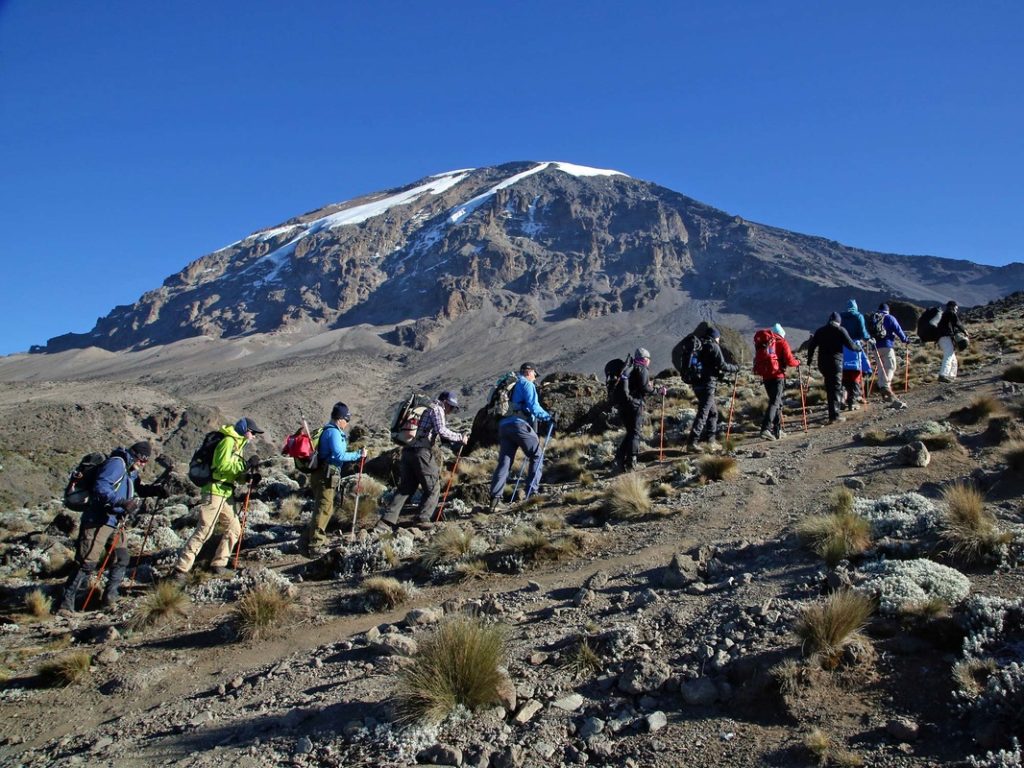
These three routes carry the majority of Kilimanjaro climbers each year. They differ significantly in camp style, terrain diversity, and realistic summit odds. This Kilimanjaro routes comparison covers each one honestly.
Machame Route: Challenging, Scenic, and the Most Popular on the Mountain
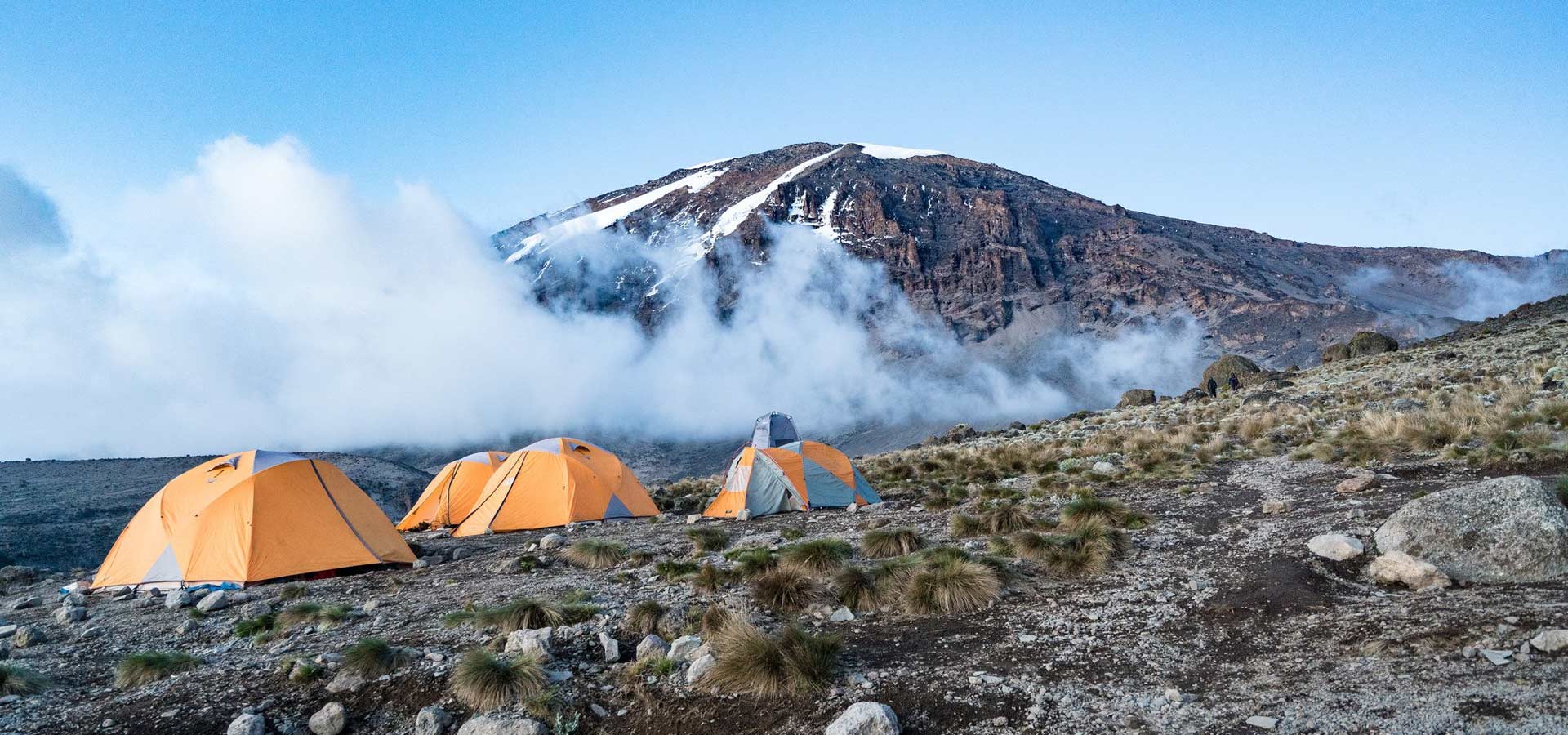
Known as the “Whiskey Route,” Machame is the most-traveled path on Kilimanjaro. It pushes climbers through rainforest, heather moorland, alpine desert, and across the famous Barranco Wall before the summit push from Barafu Camp. The route is demanding, but the terrain variety is genuinely spectacular. For a closer look at the mountain’s ecological zones, see the ecosystems of Mount Kilimanjaro. On a 6-day itinerary, success rates sit around 44 to 73%. Extending to 7 days pushes that to 85% or higher, making the extra day a worthwhile investment. Machame suits fit, experienced hikers who want diverse terrain and don’t mind a busy trail.
Lemosho Route: The Gold Standard for Acclimatization
Lemosho approaches from the west, crosses the scenic Shira Plateau, and joins the Machame path for the final summit push. When weighing Machame vs Lemosho, the key difference is time: Lemosho’s 8-day itinerary gives your body the most gradual altitude adjustment of any southern-approach route, comparing favorably even to the 7-day Machame. The result shows in the numbers: success rates of 85 to 92%. The route also starts at a higher elevation than Machame (7,380 feet versus 5,380 feet), which reduces the initial physiological strain. For first-time high-altitude trekkers who want the strongest possible summit odds combined with exceptional scenery, Lemosho is the most balanced choice on the mountain. If you want practical tips, review our best acclimatization strategies for Kilimanjaro climbers to see how itinerary structure, pacing, and high/low days improve your odds.
Marangu Route: The Only Hut-Based Option
Often called the “Coca-Cola Route,” Marangu is the only route with dormitory-style mountain huts instead of tents, which explains its appeal for climbers who prioritize comfort. It’s frequently marketed as the easiest route, but that framing is misleading. Its standard 5-day itinerary carries only a 27 to 30% success rate, one of the lowest on the mountain. Extending to 6 days improves that modestly to 50 to 65%. Marangu suits budget-conscious travelers who understand the tradeoff and aren’t placing their entire focus on summiting.
Three Less-Traveled Routes Worth Knowing: Rongai, Umbwe, and Northern Circuit
These routes attract fewer climbers, but each occupies a specific niche in a full Kilimanjaro routes comparison. Understanding them completes your picture before you commit to a booking.
Rongai Route: The Quiet Northern Approach
Rongai is the only route that approaches Kilimanjaro from the north, starting near the Kenyan border. The landscape is drier and noticeably different from the southern routes, and trail traffic is significantly lower even during the June to October peak season. For considerations about scheduling and weather windows, check guidance on the best time to climb Kilimanjaro. A 7-day itinerary yields success rates of 64 to 80%. Rongai is a strong option for solo travelers or small groups who want solitude without taking on the extreme difficulty of Umbwe.
Umbwe Route: Demanding Ascent and Low Summit Odds
Umbwe is the most direct and aggressive route on the mountain. Its rapid ascent profile provides minimal time for acclimatization, and success rates on a 6-day version typically run around 40 to 50%. Even experienced trekkers find the pace punishing. This route is recommended only for climbers with prior high-altitude experience who are specifically seeking a physical challenge, not anyone chasing summit success above all else.
Northern Circuit: The Longest Route and the Highest Success Rate on Kilimanjaro
At 9 days, the Northern Circuit circles most of the mountain before its final summit push, offering the widest variety of terrain and the most gradual acclimatization profile available. Success rates reach 95 to 98%, the highest of any Kilimanjaro route. The extended time at altitude, combined with 360-degree views from the northern slopes that no other route accesses, makes this the top choice for anyone who can invest the extra days and the premium budget it requires. Traffic on this route remains low even during peak season, making it an excellent option for both summit success and solitude.
Summit Success Rates and Why Itinerary Length Matters More Than the Route Itself
Data compiled from TANAPA records and independent operator tracking tells a consistent and important story about Kilimanjaro itinerary and summit success: route name matters less than the number of days you spend on the mountain.
Multiple operator analyses and route breakdowns corroborate these trends: see an overall look at Kilimanjaro success rates and a detailed breakdown of success rates by route and days to compare different operator datasets.
Here’s how the numbers break down across the main options (based on aggregated operator data and park authority records):
- 5-day itineraries (Marangu, Umbwe): 27 to 35% success rate
- 6-day itineraries (Machame, Marangu, Rongai): 44 to 73% depending on the route
- 7-day itineraries (Machame, Rongai, Lemosho): 64 to 85%
- 8-day itineraries (Lemosho): 85 to 92%
- 8-day itineraries (Northern Circuit): approximately 95%
- 9-day itinerary (Northern Circuit): 95 to 98%
The trend is clear: more days means meaningfully better odds. Going from a 5-day to a 7-day climb on the same mountain can more than double your chances of reaching the summit. This happens because acclimatization is a physiological process, not a willpower one. Your body needs time to adapt to thinner air, and no amount of fitness or determination speeds that up. Routes that include gradual approach days, high-and-low altitude profiles, or dedicated rest nights build that adjustment in organically.
The “climb high, sleep low” principle that guides Kilimanjaro itinerary design works because spending time above your sleeping altitude forces red blood cell production without exhausting your system overnight. You can see this built into the Machame 7-day, which includes a climb to Lava Tower at approximately 15,100 feet before descending to Barranco Camp for the night. Lemosho’s 8-day structure takes it further with a full extra night at Kosovo Camp near 16,000 feet. The Northern Circuit builds it across nine full days. Every additional acclimatization window translates directly into better summit odds.
Best Kilimanjaro Route by Climber Profile
With the data in hand, here’s how to translate it into a specific decision based on the most common climber situations.
If you’ve never done a multi-day high-altitude trek, the 8-day Lemosho is your best entry point. It delivers strong summit odds, the widest terrain variety on the southern approach, and a gradual enough ascent that your body has a real chance to keep up. It avoids the aggressive early profile of Machame and the summit-lottery dynamics of Marangu.
If summit success is your top priority above all else, the 9-day Northern Circuit is the answer. No other route gives you a better statistical chance of standing on Uhuru Peak. The extra days and premium cost are real, but so is the difference between 85% and 98% success odds when you’ve flown across the world to be on that mountain.
If you’re a fit, intermediate hiker who wants the best balance of cost, scenery, and realistic summit odds, the 7-day Machame is the right call. It’s well-supported, widely guided, offers dramatic terrain from rainforest to glacier, and pushes success rates into the 85% range without the price tag of a 9-day expedition. This is the route our team at Kisambi Tours recommends most often to experienced hikers on a standard two-week Tanzania trip.
If solitude and a different angle on the mountain matter to you, the 7-day Rongai offers a genuine alternative with solid success rates and a completely different landscape experience. Budget-first travelers who accept lower summit odds will find Marangu at 6 days one of the more affordable all-inclusive options, though the success statistics should be clearly understood going in.
 Which Is the Best Kilimanjaro Route for You? Planning With a Local Tanzania Operator
You’ve identified your route. The next practical step is choosing who takes you up it, and that decision carries more weight than most climbers realize. Booking locally can reduce markup layers and give you far better on-the-ground knowledge in most cases, a local operator knows current mountain conditions, crew quality, and how to adapt when something changes at 15,000 feet in ways that aren’t always accessible through a foreign platform.
Kisambi Tours is a locally registered Tanzania operator. Our guides have summited all six routes and know the mountain personally: which camp has the toughest wind exposure on summit night, which days demand the most energy, and how to read a climber’s pace and adjust before altitude sickness becomes a problem. That kind of on-the-ground knowledge is rarely available through an international booking platform. If you want a deeper primer on choosing among approaches, see our piece on Kilimanjaro climbing routes: which one is right for you?
Every climb we plan includes free, ongoing support throughout the booking process, from the initial route selection conversation to your gear checklist to permit coordination. If you want to combine your climb with a Serengeti safari or a few days on the beaches of Zanzibar, we handle all of that under one itinerary. Our personalized trip planning service is built around your schedule, your fitness, and your goals, not around a fixed package designed for the average traveler.
The Right Route for You Is Out There
There’s no single best Kilimanjaro route for every climber. There is a best route for your specific situation, and the decision logic is straightforward once you work through it. Days available and acclimatization time matter more than anything else. Lemosho and Northern Circuit lead on summit success rates. Machame is the best all-around choice for fit intermediate climbers. Marangu makes sense for budget-first travelers who understand the statistical tradeoffs. Rongai and Northern Circuit reward those who value solitude and scenery alongside a strong shot at the summit.
Kilimanjaro is a serious altitude challenge regardless of which path you take. Preparation matters, guide quality matters, and the operator carrying you up the mountain matters enormously. The climbers who reach Uhuru Peak aren’t always the fittest in the group. They’re the ones who chose the right number of days, prepared properly, and had a guide who kept them moving at the right pace.
Ultimately, the best Kilimanjaro route is the one that matches your available days, your fitness level, and your summit goals. If you’re ready to figure out which that is, reach out to the Kisambi Tours team directly. We’ll look at your timeline, your fitness background, your budget, and what you want to walk away from this trip remembering, and build the right climb around you from there.