
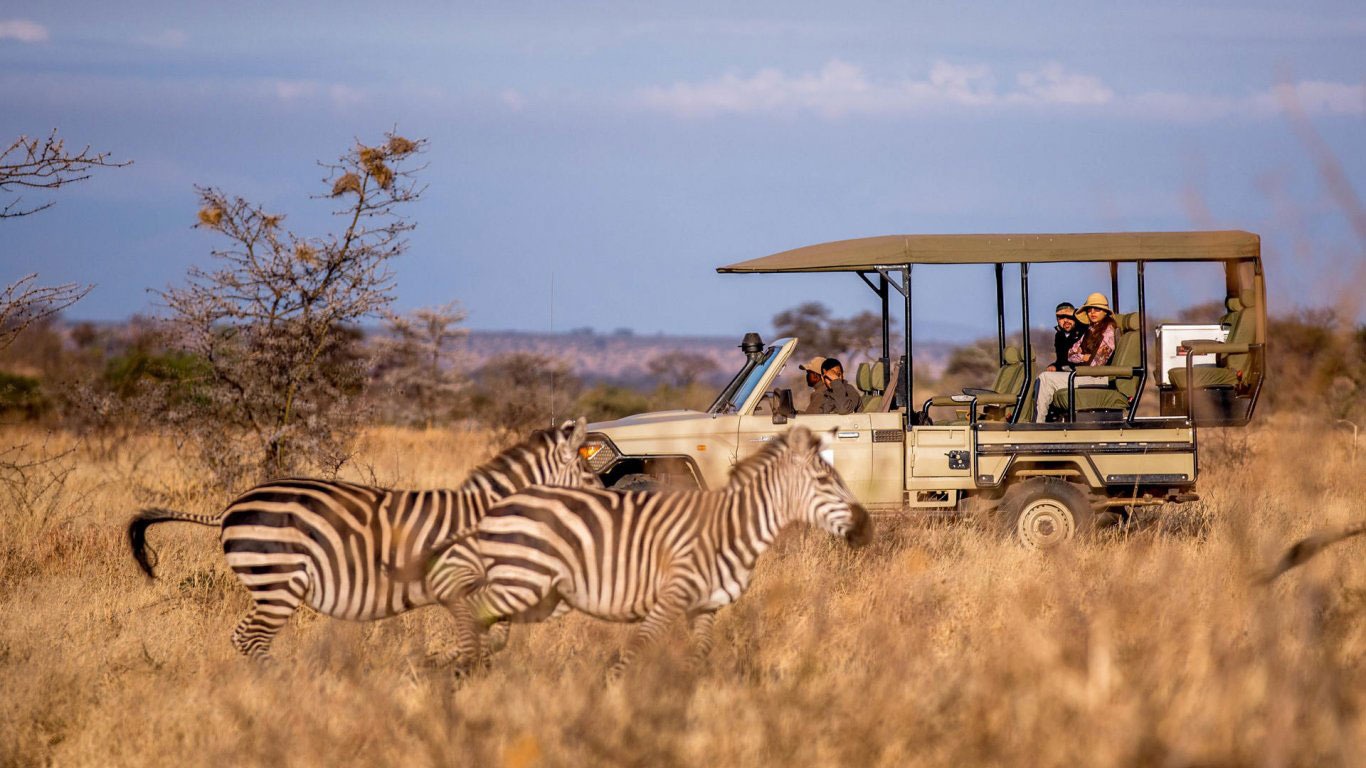
Figuring out how to plan a Tanzania safari trip from the US can feel overwhelming at first. You’re managing flights across multiple continents, visa paperwork, health preparations, and a choice of operators, all before you’ve even decided which parks to visit. The good news is that once you break the process into clear steps, it becomes very manageable. This guide walks you through every major decision: when to go, what to budget, how to handle visa and health requirements, how to get there, and how to find an operator you can actually trust. Working directly with a locally registered Tanzania team from the start, rather than going through a foreign booking platform, removes a lot of that complexity. That’s exactly the model Kisambi Tours is built on, and we’ll come back to why that matters.
When to Go and What to Budget Before Anything Else
The Best Months for Wildlife and the Great Migration
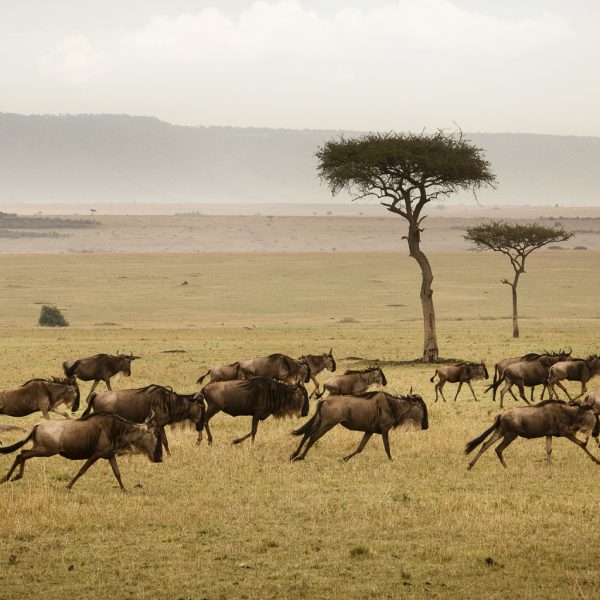
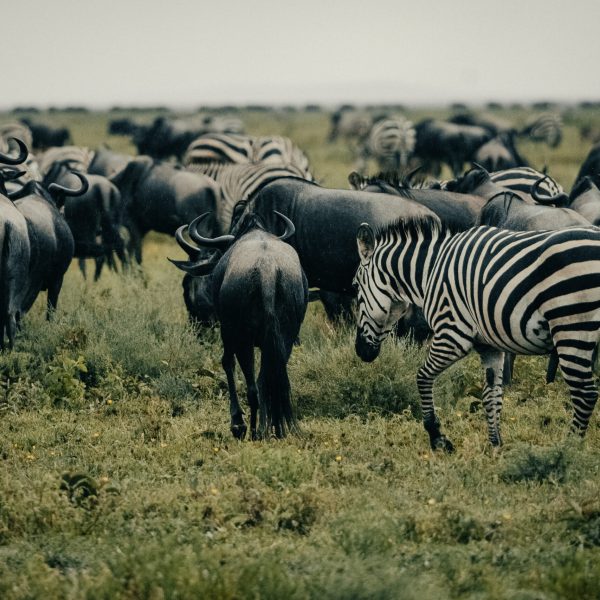
The dry season runs from June through October, and it’s the most reliable window for general wildlife viewing. Vegetation thins out, water sources concentrate, and animals become predictably easier to spot. August and September are the sweet spot for the famous Mara River crossings in the Northern Serengeti, where massive wildebeest herds attempt to cross crocodile-infested water. That said, those two months are also the most crowded and most expensive on the circuit.
If you want to avoid peak crowds, the calving season from late January through February is a genuinely excellent alternative. The Southern Serengeti near Ndutu fills with newborn wildebeest, which draws intense predator activity. January and February consistently produce some of the most dramatic predator action of the year, particularly for lion and cheetah sightings, and rates are noticeably lower. One season to avoid for first-time visitors: March through May brings the long rains, and road conditions can make game drives genuinely difficult.
What a Tanzania Safari Actually Costs from the U.S.
Budget in two clear buckets. International roundtrip flights run $1,000 to $2,500 per person depending on your departure city and the time of year you travel. The in-country safari package at mid-range quality runs $450 to $600 per person per day, which puts a 7-day land package at roughly $3,200 to $4,200 per person before flights. Add it up and a realistic all-in figure for a mid-range 7- to 10-day trip lands between $5,000 and $9,000 per person.
On currency: the Tanzanian shilling is the official currency and is required for many local transactions. That said, clean U.S. dollar notes are commonly accepted for tips and some park or lodge payments, though acceptance varies by property, so carry both. Bring bills printed after 2009, since older or damaged notes are often refused. Small denominations ($1, $5, and $10 bills) are especially useful for tips. Don’t rely on credit cards at remote Serengeti camps. Some properties accept them, but many don’t, and surcharges of 6 to 15 percent are common where cards are accepted.
Tanzania Travel Requirements Every U.S. Citizen Needs to Handle First
Visa: What U.S. Passport Holders Need to Know
U.S. citizens require a tourist visa to enter Tanzania. The standard option is a multiple-entry visa at $100. You have two routes: apply online through the Tanzania e-visa portal before you leave home, or obtain a visa on arrival at Kilimanjaro International Airport or Julius Nyerere International Airport in Dar es Salaam. The e-visa portal has experienced outages in 2026, so applying at least four to six weeks before your travel date is the smarter move.
Requirements include a passport valid for at least six months beyond your arrival date, at least one blank passport page, a return or onward ticket, and proof of sufficient funds for your stay. Always verify current requirements directly on the official Tanzania Immigration portal close to your departure date, as rules can shift without much notice. You can also review the U.S. Embassy in Tanzania’s requirements for visa for the latest guidance.
Vaccinations, Malaria Prevention, and Health Prep
Start with your routine vaccines and confirm they’re current: MMR, Tdap, polio, influenza. For Tanzania specifically, hepatitis A and typhoid are recommended for all travelers. Yellow fever is not required for Tanzania itself, but if you’re arriving from or transiting through a yellow fever-risk country for 12 or more hours, you’ll need proof of vaccination at the border.
Malaria chemoprophylaxis is recommended for mainland safari regions. Common options include atovaquone-proguanil (Malarone), doxycycline, or mefloquine. Your travel doctor will help you choose based on your health profile. Schedule a travel clinic appointment four to six weeks before departure so vaccines are completed on time and prescriptions can be filled without rushing. Any fever after you return home should prompt a malaria evaluation immediately. For more detail on clinic services and vaccine planning specific to Tanzania, see this travel medicine services for Tanzania.
 Flights and Travel Logistics: How to Plan a Tanzania Safari Trip from the US
Common Flight Routes and What to Expect
No direct flights operate between the U.S. and Tanzania, so every itinerary requires at least one connection. The most common routing goes through European hubs (Amsterdam on KLM, London, Frankfurt) or Middle Eastern and African hubs (Doha on Qatar Airways, Dubai on Emirates, or Nairobi on Kenya Airways) before landing at Kilimanjaro International Airport (JRO). Total gate-to-gate travel time is typically 18 to 24 hours. If your focus is the Northern Circuit, Serengeti, Ngorongoro, Arusha, Kilimanjaro International is the better arrival point. Julius Nyerere in Dar es Salaam makes more sense if you’re starting with Zanzibar.
Strong U.S. departure cities for connection quality include JFK, IAD, ATL, ORD, LAX, SFO, and DEN, as they offer the broadest mix of one-stop options to JRO. The KLM route through Amsterdam and the Qatar Airways route through Doha are two of the more practical combinations for American travelers.
When to Book Flights and Why Travel Insurance Is Non-Negotiable
Book international flights at least four to six months out, especially for peak months July through September. Airfares commonly rise as peak-season travel approaches, so booking well ahead is the best way to protect your budget. If your goal is the river crossings in August or September, the best mid-range and luxury camps in the Northern Serengeti book out 12 to 18 months in advance. Don’t assume you can lock in good accommodation on a shorter timeline for peak dates.
Standard domestic travel insurance doesn’t cut it for a Tanzania safari. You need comprehensive international coverage that includes emergency medical evacuation, trip cancellation, and gear protection. Medical evacuation from a remote safari area can exceed $50,000. Look for policies with at least $500,000 in evacuation coverage. World Nomads Explorer and Epic plans are designed for international adventure travel and are a reasonable starting point for comparison; review the policy details carefully before purchasing. For Tanzania-specific options, consider reputable providers such as World Nomads travel insurance for Tanzania.
How to Choose a Safari Operator You Can Actually Trust
What to Ask Before You Hand Over a Deposit
A legitimate Tanzania safari operator should be registered with the Tanzania Tourist Board (TTB) and licensed through the Tanzania Association of Tour Operators (TATO). Ask for their registration number and verify it independently through each organization’s official channels. Before paying anything, get clear answers to these questions:
- Who owns and operates the vehicles, and are they maintained in-country?
- Are guides locally certified and trained, and what is the guide-to-client ratio on game drives?
- What happens if a vehicle breaks down inside a national park?
- How are park fees handled, and will you receive itemized receipts?
Vague answers, pressure to book quickly, or an inability to provide registration credentials are clear red flags. A reputable operator will welcome these questions without hesitation. If they can’t or won’t answer them, move on.
Why Booking Directly with a Local Tanzania Operator Saves You Money and Improves Your Trip
Many American travelers first encounter Tanzania safari options through large international booking platforms. Those platforms typically layer on middleman fees that can meaningfully inflate the price of your trip, and when you book through them, your planning conversations go through layers of resellers who have never set foot in the Serengeti. You end up paying more for less direct access to the actual team running your trip.
Booking directly with a locally registered Tanzania operator can significantly reduce those added costs and puts you in contact with guides and coordinators who live and work in the country year-round. Kisambi Tours is based in Arusha, is locally registered in Tanzania, and handles all client communication directly with the team planning and leading each itinerary. That means flexible customization, transparent pricing with no third-party fees layered on top of park fees or accommodation costs, and real-time adjustments when conditions change. For 2026, park entry fees at Serengeti and Ngorongoro run approximately $82.60 per adult per 24-hour period (VAT included), and those costs should appear clearly in any honest quote you receive. For a detailed walkthrough on booking logistics, see our Comprehensive Guide on How to Book a Safari Holiday in Tanzania.
Sample Tanzania Safari Itineraries to Map Your Trip Around
The 7-Day Tanzania Safari Itinerary
This is the right length for first-time visitors who want to cover the major parks without spending the whole trip in transit. Here’s how a typical week breaks down:
- Day 1: Arrival in Arusha, rest and briefing.
- Day 2: Game drive through Tarangire or Lake Manyara.
- Days 3, 4: Full safari days in the Serengeti.
- Day 5: Morning Serengeti drive, then transfer toward the Ngorongoro rim.
- Day 6: Full crater descent into Ngorongoro.
- Day 7: Departure, or fly to Zanzibar for a beach extension.
This circuit covers the essential northern Tanzania highlights efficiently and gives first-timers a solid foundation for understanding the landscape and the rhythm of a safari day.
 The 10-Day Option and the Zanzibar Extension
The 10-day version adds two full days in the Serengeti, which meaningfully changes the experience. More time in one area means longer game drives, quieter mornings away from peak vehicle traffic, and better chances of tracking specific animal behavior. Days nine and ten shift to Zanzibar for a proper beach extension: turquoise water, Stone Town exploration, and genuine recovery after the mainland circuit.
A 14-day trip follows the same logic but gives Tarangire a full dedicated day and expands the Zanzibar stay to three or four days. Seasonal positioning matters here. If your goal is the river crossings, schedule your Serengeti days for August or September and book your accommodation as early as 12 months in advance for the best camps. If budget is a priority, January and February offer the calving season at lower rates with smaller crowds and equally dramatic wildlife action.
Tanzania Safari Packing List: What to Bring from the U.S.
Packing smart is a practical part of how to plan a Tanzania safari trip from the US, and it’s easy to overlook until the last minute. Safari vehicles and small bush planes often have strict luggage limits (typically 33 lbs / 15 kg in a soft-sided bag), so keep it lean. Here’s a focused checklist:
- Clothing: Neutral-colored layers (khaki, olive, tan) for game drives; a warm fleece or jacket for early morning drives and Ngorongoro Crater (temperatures can drop sharply); lightweight long sleeves and pants for sun and mosquito protection; a wide-brimmed hat.
- Footwear: Comfortable closed-toe walking shoes or light hikers; sandals for camp downtime.
- Gear: Binoculars (8×42 is a practical choice); a headlamp with spare batteries; a daypack for game drives.
- Camera: A telephoto lens in the 100, 400mm range is worth the bag space; a dust-proof camera bag or dry sack protects gear on dusty roads. For more specific camera and photography planning advice, see our Important Tips for Planning a Photography Safari in Tanzania.
- Health and toiletries: DEET-based insect repellent; high-SPF sunscreen; hand sanitizer; your malaria prescription; any prescription medications with documentation; a basic first-aid kit.
- Documents and money: Printed and digital copies of your passport, visa confirmation, and travel insurance policy; a mix of clean USD bills and Tanzanian shillings; a debit card as a backup for ATM withdrawals in Arusha.
- Optional but useful: Dust buff or neck gaiter; power bank; universal travel adapter (Tanzania uses Type D and G plugs).
Avoid brightly colored or camouflage-patterned clothing, bright colors can disturb wildlife, and camouflage prints are restricted in Tanzania.
How to Plan a Tanzania Safari Trip from the US: Step-by-Step Guide
Knowing how to plan a Tanzania safari trip from the US can save you time, money, and stress. By choosing the right season, setting a realistic budget, arranging visas and flights early, and working with a trusted local operator like Kisambi Tours, you’ll enjoy a seamless and unforgettable African safari experience.. That’s what the Kisambi team is here for, we’re based in Arusha, we handle every trip ourselves, and we’d be glad to help you plan it right. For quick practical pointers before you call, check our Tanzania Safari Tips.