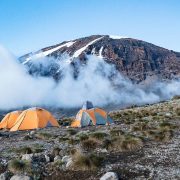

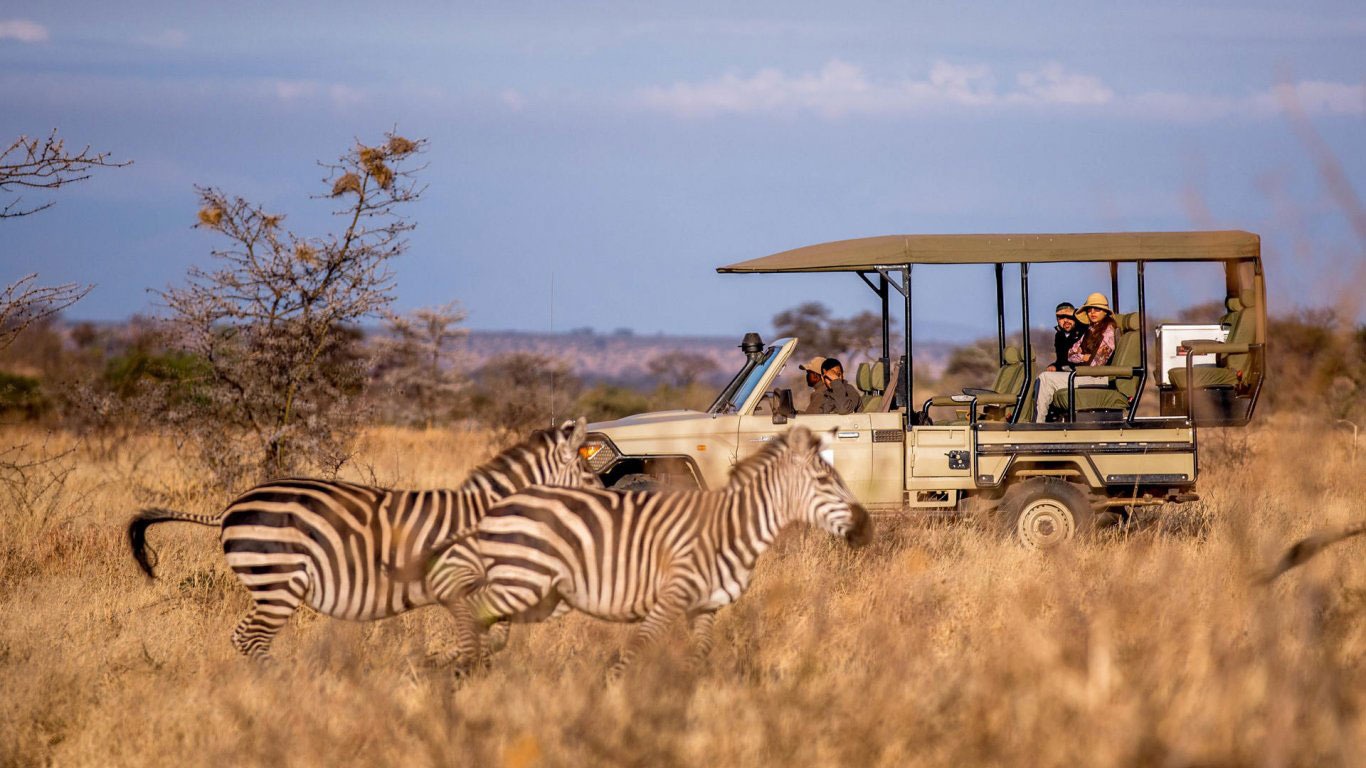
Can I combine Kilimanjaro safari and Zanzibar in one trip? Yes. Climbing Mount Kilimanjaro, enjoying a Tanzania safari, and relaxing on the beautiful beaches of Zanzibar in a single holiday is not only possible but also one of the most popular travel experiences in Africa. Many Americans do it every year, drawn by the way these three experiences complement each other so naturally that combining them almost feels like Tanzania designed it that way on purpose.
At Kisambi Tours, we plan these exact combo trips for travelers year-round. As a locally registered Tanzania operator based in Arusha, our team has built Kilimanjaro-safari-Zanzibar itineraries across every budget and vacation length. That on-the-ground experience is what makes this guide different from generic travel advice. What follows is real, practical information you can use to start planning.
By the end of this article, you’ll know which itinerary length fits your schedule, the correct order to sequence each leg, the logistics that connect the three destinations, and roughly what to budget.
How many days you actually need for all three
One of the first questions every traveler asks is whether their vacation time is long enough. Here’s the honest answer: it depends on which version of the experience you want.
The 11-day minimum: technically possible, but risky
The math behind 11 days works like this: 5 days on Kilimanjaro plus 3 days on safari plus 2 days in Zanzibar plus a travel day or two. On paper, that fits. The problem is that a 5-day Kilimanjaro climb compresses acclimatization to a degree that significantly lowers your summit success rate. Kilimanjaro National Park allows 5-day climbs, but many experts recommend 6 to 8 or more days for better acclimatization and a stronger shot at the summit. When you factor in travel time between each destination, the 11-day version leaves almost zero margin for delays or slower-than-expected climbing days.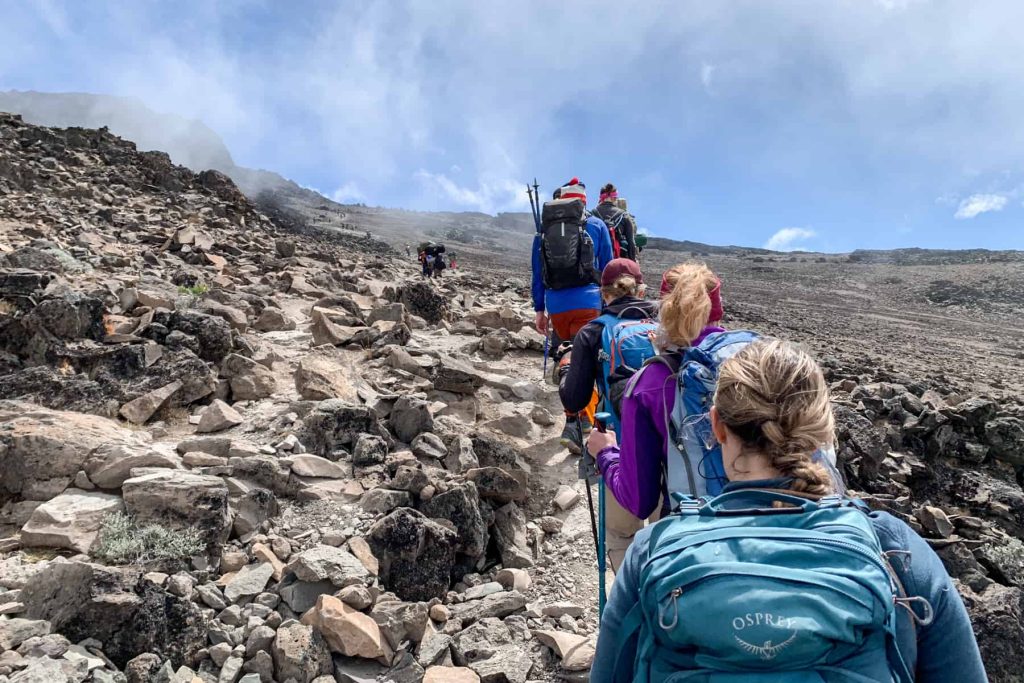
Can you combine Kilimanjaro, safari, and Zanzibar in one trip? The 12, 18 day sweet spot
This is where most Kisambi Tours combo packages fall. At 12 days, you can fit a 6-day Kilimanjaro route with a real shot at the summit, a solid 3-day safari circuit, and 2 days on the beach. At 15 days, you gain a longer mountain route for better acclimatization and more time in the safari parks. At 18 days, the experience becomes genuinely unhurried: a full 7 to 8 days on the mountain, 4 to 5 days of safari, and 3 days in Zanzibar. The more time you build in, the better your chances on the summit and the more deeply you experience each destination.
The right sequence: why order matters more than you think
Not all trip orders are equal. There’s a logical, physically sound reason why the best Tanzania combo trips follow a specific sequence: Kilimanjaro first, safari second, Zanzibar last. Doing it in any other order works against your body and your experience.
Kilimanjaro first, every time
You want to climb when you’re freshest. Starting Kilimanjaro at the beginning of your trip, before long game drives, late bush camp nights, and accumulated travel fatigue set in, gives you the best physical and mental foundation for summit day. Attempting the climb after several days of safari is a mistake that experienced mountain guides consistently caution against. Your legs are tired, your sleep rhythm is off, and the energy required for a midnight summit push simply isn’t there in the same way.
The 1 to 2 recovery days in Arusha between climb and safari
After descending Kilimanjaro, your body needs at least 24 hours in Arusha before you start safari game drives. Most climbers experience sore quadriceps, mild altitude cough, and general fatigue in the first 24 hours post-descent. These symptoms resolve quickly once you’re below 2,000 meters, which is exactly where safari game drives happen. If you did a longer climb or experienced stronger altitude symptoms, two recovery days in Arusha is the smarter choice. The Serengeti and Ngorongoro Crater sit at essentially sea-level oxygen, which accelerates recovery the moment you arrive. For practical recovery tips from experienced mountain guides, see this Kilimanjaro summit recovery guide.
Why Zanzibar is the perfect ending
Arriving at a white-sand beach after 10 to 14 intense days of high-altitude trekking and game drives feels genuinely earned. That contrast between effort and rest is part of what makes this itinerary so memorable. Zanzibar’s warm climate and slow pace also make it a natural wind-down before the long flight home, your legs recover, your sleep normalizes, and you arrive home restored rather than depleted.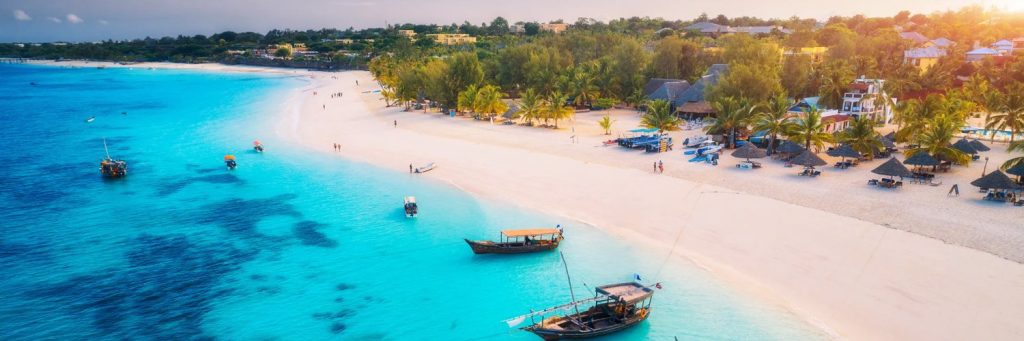
Three Kilimanjaro, safari, and Zanzibar itineraries that fit real vacation schedules
Here are three concrete day-by-day frameworks built around common American vacation lengths. Each one reflects the kind of itinerary Kisambi Tours builds for real clients.
The 12-day version: tight, doable, no wasted days
This version suits travelers with limited vacation time who still want all three experiences. Be aware that this itinerary leaves almost no buffer for delays, so reliable logistics and a single experienced operator are non-negotiable.
- Days 1, 2: Arrival in Arusha and trip preparation
- Days 3, 8: 6-day Kilimanjaro climb on the Machame or Marangu route
- Day 9: Full recovery day in Arusha
- Days 10, 11: 2-day safari circuit through Ngorongoro Crater
- Day 12: Domestic flight from Arusha or JRO to Zanzibar (ZNZ); beach afternoon and departure prep
The 15-day version: the sweet spot for most Americans
This is the most commonly booked combo length because it fits a standard two-week-plus vacation comfortably. It gives you enough time to genuinely experience each destination without feeling rushed.
- Days 1, 2: Arusha arrival, gear prep, and orientation
- Days 3, 9: 7-day Kilimanjaro climb on the Machame or Lemosho route for better acclimatization
- Days 10, 11: One to two recovery days in Arusha
- Days 12, 14: 3-day safari covering the Serengeti, Ngorongoro, and Lake Manyara
- Day 15: Domestic flight to Zanzibar; 2 to 3 beach days before departure
The 18-day version: the full experience with room to breathe
This is what Kisambi Tours recommends for bucket-list travelers doing a once-in-a-decade trip. The extra days pay off on the mountain and in the parks.
- Days 1, 2: Arrival and orientation in Arusha
- Days 3, 10: 7 to 8 day Kilimanjaro route, Lemosho or the Northern Circuit, both offering superior acclimatization profiles and dramatically higher summit success rates
- Days 11, 12: Two full recovery days in Arusha
- Days 13, 15: 3-day expanded safari through the Serengeti and Ngorongoro
- Days 16, 17: Tarangire National Park addition for a richer wildlife experience
- Days 18, 20: 3 full days in Zanzibar before departure
For more ideas on regional add-ons and activities, see our guide to the Top Things to Do in the Kilimanjaro Region.
Logistics that connect the three destinations
The practical side of this trip is where many travelers get overwhelmed. Here’s a clear breakdown of what you need to know.
Flying between Kilimanjaro and Zanzibar
The domestic flight from Kilimanjaro International Airport (JRO) to Zanzibar (ZNZ) takes approximately 1 hour and 10 minutes. Air Tanzania and Precision Air both operate direct routes on this corridor, with multiple departures daily. Typical round-trip fares range from roughly $179 to $420 depending on timing and how far in advance you book, booking several weeks ahead secures better fares and preferred departure times. From Arusha, most travelers transfer to JRO for the onward flight to Zanzibar, and most combo itineraries route this flight after the safari circuit ends, making Zanzibar a natural, seamless final leg. For current schedules and connections, check flight listings for flights from JRO to ZNZ.
Permits, visas, and health requirements for US travelers
US citizens are required to purchase a multiple-entry Tanzania visa at $100 USD, which covers the entire trip including Zanzibar. Kilimanjaro National Park fees, including a $70 per-person daily conservation fee plus camping and rescue fees, are handled entirely through your operator and bundled into your tour package. Yellow fever vaccination is mandatory if you’re arriving from a risk country, even with a brief layover. Malaria prophylaxis is strongly recommended for safari regions and Zanzibar. Travel insurance must explicitly cover high-altitude trekking above 4,000 meters and include helicopter evacuation coverage. Standard policies commonly exclude Kilimanjaro, so verify before you purchase. For official guidance on Tanzania visa requirements, see this resource on Tanzania visa requirements for Kilimanjaro climbers.
Best time of year to do the full Tanzania combo
Timing affects every part of this trip: summit conditions on Kilimanjaro, wildlife activity on safari, and weather on the beach in Zanzibar. Here’s what aligns best.
The dry season window: June through October
June through October is Tanzania’s dry season and the most popular window for the full Kilimanjaro, safari, and Zanzibar combo. Kilimanjaro’s trails are firm, the skies are clear, and summit-day visibility is at its best. This window also overlaps with the northern Serengeti’s Mara River crossings during the Great Migration, with peak crossings happening in August and September, a wildlife spectacle widely regarded as one of the most dramatic on Earth. If you want background on the migration timing and river crossings, this overview of the Great Migration is useful. US summer vacation schedules align naturally with this window, though prices and demand reflect its popularity.
Shoulder months for better value and fewer crowds
January and February offer a secondary dry period that many experienced Tanzania travelers prefer. Kilimanjaro conditions remain solid, Zanzibar’s beaches are at their clearest, and the southern Serengeti is alive with calving season, one of the most wildlife-dense periods in the ecosystem. March through May brings Tanzania’s long rains, and that stretch is generally not recommended for this type of combo trip due to trail conditions on the mountain and road conditions in safari regions.
 How Kisambi Tours puts this all together for you
Planning a trip that spans three distinct experiences, multiple domestic flights, national park logistics, and two weeks of coordination is genuinely complex. Here’s why booking through a single local operator changes everything.
One operator, zero coordination headaches
When you book each leg separately, you personally absorb every scheduling risk. A delayed descent from Kilimanjaro means a missed domestic flight, which cascades into a missed safari departure. Kisambi Tours builds buffers into every itinerary and maintains contingency plans for weather delays, managing every handoff between the mountain, the safari circuit, and Zanzibar. Because the team is based in Tanzania year-round, any change on the ground gets handled in real time, not from an office thousands of miles away. If you’d like to see how to book and confirm an itinerary with us, you can book through Kisambi Tours using our booking page.
Custom packages built around your dates and budget
Kisambi Tours doesn’t sell rigid, fixed packages. Every combo itinerary is tailored to your fitness level, vacation length, budget, and priorities. Whether you want a 12-day trip that maximizes every hour or an 18-day experience with high-end lodges from summit to shoreline, the itinerary is built around your trip. Total costs for a mid-range combined package typically run between $4,000 and $4,800 per person, with luxury options starting above $5,500. Reach out for a free consultation and we’ll aim to have a custom itinerary back to you within 48 hours.
Start planning the trip you’ve been putting off
So, can you combine Kilimanjaro, safari, and Zanzibar in one trip? Absolutely, with the right plan behind it. The key decisions are straightforward: choose an itinerary length between 12 and 18 days, sequence the three legs in the correct order, and book through a trusted local operator who handles the moving parts for you.
Many of our clients tell us this trip ranks as the most rewarding travel experience of their lives. The physical challenge of the mountain, the awe of the Serengeti, the relief of warm sand under your feet at the end, that arc is hard to replicate anywhere else in the world.
The Kisambi Tours team is ready to help you build your version of it. Discover the best Tanzania travel packages with Kisambi Tours, share your dates and goals, and we’ll put together a detailed itinerary that fits exactly what you have in mind.
Frequently asked questions
Can I combine Kilimanjaro, safari, and Zanzibar in one trip?
Yes. The three destinations connect logically and geographically. Most travelers complete the full combination in 12 to 18 days, with Kilimanjaro first, safari second, and Zanzibar as the final leg.
What is the minimum number of days needed for the Kilimanjaro, safari, and Zanzibar combo?
Eleven days is the technical minimum, but it’s risky. A 12-day itinerary is the realistic floor for a safe, satisfying trip. Fifteen days is the most popular length for American travelers.
What order should I do Kilimanjaro, safari, and Zanzibar?
Always climb Kilimanjaro first, while you’re freshest. Follow with 1 to 2 recovery days in Arusha, then your safari circuit, and finish in Zanzibar for beach time and recovery before the flight home.
How do I get from Arusha to Zanzibar?
Most travelers transfer to Kilimanjaro International Airport (JRO), about 45 minutes from Arusha, and catch a direct domestic flight to Zanzibar (ZNZ). The flight takes roughly 1 hour and 10 minutes. Air Tanzania and Precision Air both serve this route daily.