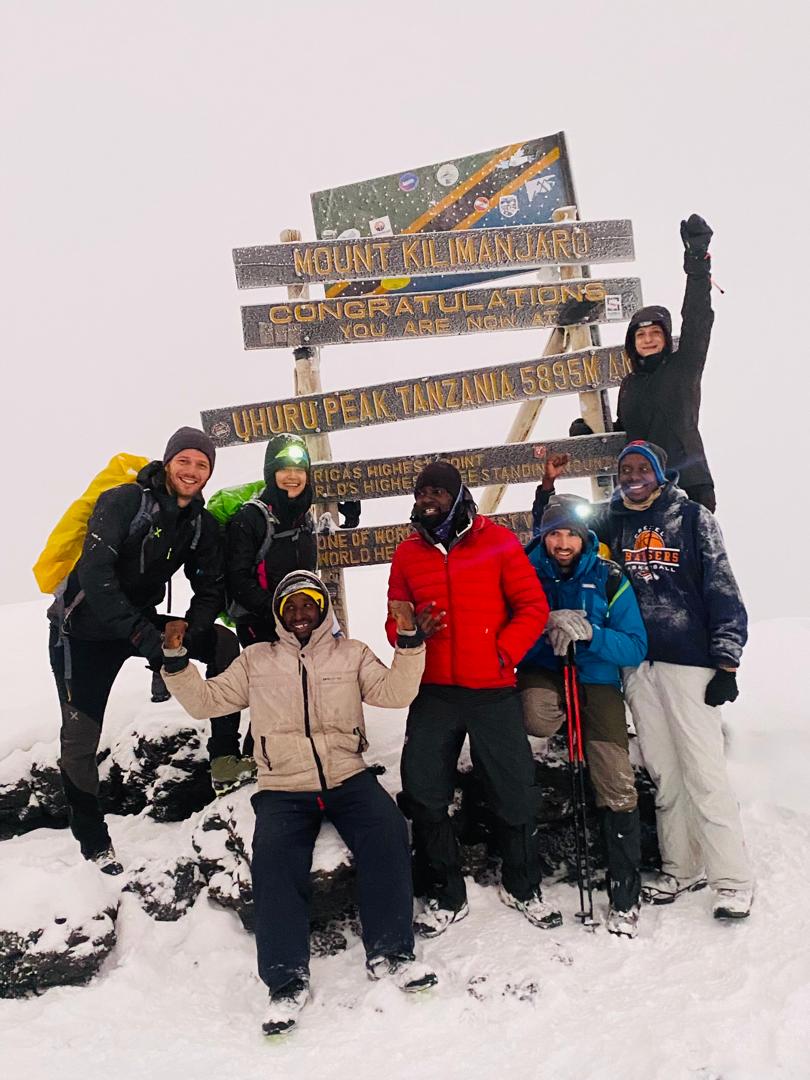
Machame vs Lemosho route comparison. You’ve made the big decision: you’re climbing Kilimanjaro. Then someone asks which route you’re taking, and suddenly you’re deep in a rabbit hole comparing Machame and Lemosho, wondering if you’ve already made a wrong turn before you’ve set foot on the mountain. This Machame vs Lemosho route comparison is one of the most common planning questions Kisambi Tours hears from prospective climbers, and it’s a genuinely good problem to have. Both routes are widely used to reach Uhuru Peak and are recommended by experienced operators when paced correctly. The real question is which one fits your fitness level, timeline, and goals.
This article breaks down the two routes honestly across duration, acclimatization quality, scenery, crowding, and cost. By the end, you’ll have a clear answer rather than a longer list of “it depends.”
The core difference between these two routes
Before getting into the specifics, here’s the honest frame. Machame is faster, steeper, more popular, and slightly cheaper. Lemosho is longer, more gradual, quieter, and widely considered the most scenic route on the mountain. Both routes join each other on the southern circuit after the first few days, so from Barranco Camp onward you’re essentially on the same trail. The real differences play out in what happens before that merge, and how those early days shape the way your body feels when summit day arrives.
What Machame is built for
Machame runs 6 to 7 days and is designed for reasonably fit hikers who want a varied, challenging climb without committing to a longer itinerary. The route moves through rainforest, moorland, and alpine desert before a summit push from Barafu Camp at around 15,300 feet. The daily elevation gains are steeper than Lemosho’s, which is worth knowing. By day three or four, many climbers start feeling the altitude more acutely on the compressed schedule. That’s not a dealbreaker, but it’s something to factor in honestly.
What Lemosho does differently
Lemosho starts from Londorossi Gate on the western side of the mountain, putting you immediately on a quieter, more remote trail than you’d find on Machame. The 7- to 9-day structure spends extra time crossing the Shira Plateau in the early days, letting your body gain altitude more gradually before the two routes converge. Those additional days aren’t filler. Physiologically, the extended time at moderate elevation gives your body a meaningful head start before the mountain’s harder sections. It’s also where you’ll encounter terrain that most Kilimanjaro climbers never see, which matters if the experience itself is as important to you as reaching the summit.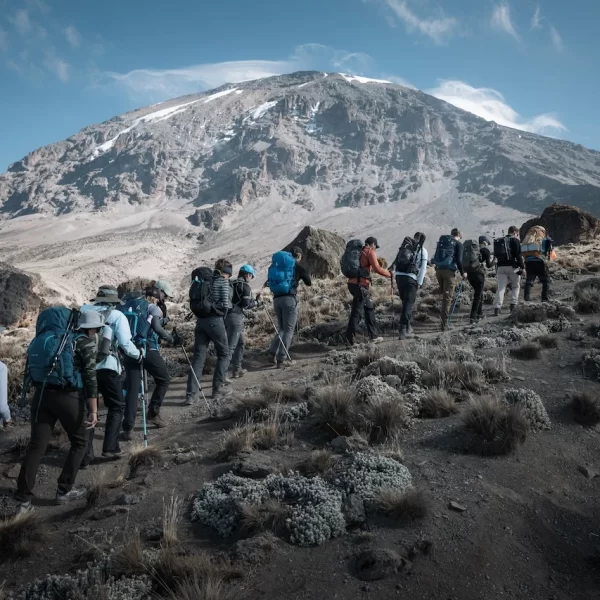
Machame vs Lemosho route comparison: day-by-day itinerary and elevation profiles
Understanding the structure of each route helps you make sense of everything else: the acclimatization data, the cost differences, and the crowding patterns. Here’s how both routes actually unfold on the mountain.
How the Machame itinerary plays out (6, 7 days)
Day one climbs from Machame Gate at roughly 5,400 feet up to Machame Camp at 9,400 feet, about 5 to 7 hours through dense rainforest. Day two moves to Shira Plateau, reaching around 12,500 feet. Day three is the classic acclimatization move: you hike up toward Lava Tower at nearly 15,000 feet before dropping down to sleep at Barranco Camp, which sits lower at around 13,000 feet. That “climb high, sleep low” pattern is intentional and effective, though it still puts your body under real stress by this point in the schedule. A sample 6-day Machame itinerary shows the typical timing and camp-to-camp hiking hours in detail.
Day four pushes through to Barafu Camp at approximately 15,300 feet, which is a long, physically demanding day. Summit day follows, leaving Barafu in the middle of the night and ascending to Uhuru Peak at 19,341 feet before descending all the way to Mweka Camp. The 7-day Machame variation inserts an extra rest day between Barranco and Barafu, which relieves the pressure on the summit push considerably. If you’re choosing Machame, the 7-day version is the smarter option for most climbers. Many operators publish dedicated itineraries for the 7-day Machame route, which highlight where that extra day is best placed.
How Lemosho spreads the same climb over more days (7, 9 days)
Lemosho’s opening days are its defining advantage. Day one goes from Londorossi Gate to Mti Mkubwa (Big Tree Camp) at around 9,500 feet. Day two reaches Shira 1 at roughly 11,500 feet. Day three crosses to Shira 2 at around 12,800 feet, a gradual traverse with big-sky views across the plateau. By day four, when Lemosho meets Machame at Lava Tower and drops to Barranco, a Lemosho climber has spent more time at moderate altitude and accumulated more physiological adaptation before hitting the mountain’s harder sections.
From Barranco onward, the routes are essentially identical: Karanga Camp, Barafu, summit, descent to Mweka. But the body that arrives at Barafu on an 8-day Lemosho has had more time to adjust, and that difference shows up clearly in the success rate data. Here’s a quick side-by-side reference:
| Route | Duration | Starting Gate | Key Early Camps | Avg. Daily Elevation Gain |
|---|---|---|---|---|
| Machame | 6, 7 days | Machame Gate (~5,400 ft) | Machame Camp, Shira, Barranco | Steeper; larger daily gains |
| Lemosho | 7, 9 days | Londorossi Gate (elevation varies; verify with TANAPA) | Mti Mkubwa, Shira 1, Shira 2, Barranco | Gradual; ~598 m avg. daily gain (operator-calculated) |
Acclimatization profiles and summit success rates
This is what most people are actually trying to figure out when they compare these two routes. When you set the Machame vs Lemosho route comparison against acclimatization quality and summit success, Lemosho consistently edges ahead, especially on the longer itineraries. The directional pattern holds across operator-reported data, even accounting for individual variation.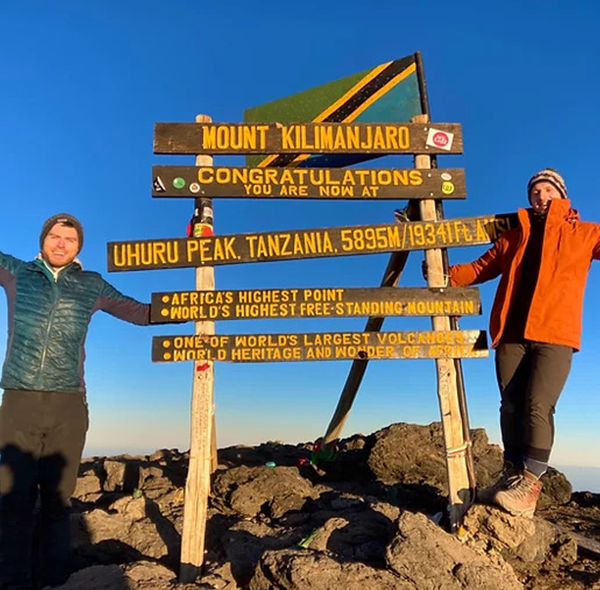
Why itinerary length matters more than route name
Both routes use the “climb high, sleep low” principle, but Lemosho applies it across more days, which means less daily physiological stress before the summit push. The numbers reflect this pattern clearly. A 6-day Machame hovers around a 44% to 65% summit success rate, based on operator-reported figures. A 7-day Machame climbs to roughly 85% to 90%. Shift to a 7-day Lemosho and you’re looking at 85% to 95%, while the 8-day Lemosho consistently comes in at 93% to 95% or higher. The 8-day Lemosho is the strongest acclimatization option between these two routes. That extra day on the mountain is doing real physiological work, not padding the schedule. Independent comparisons of summit success between routes reinforce this pattern, see a practical Machame vs Lemosho summit success comparison for operator-reported trends.
What summit success rates actually tell you (and what they don’t)
These percentages come from operator-reported data, not independently audited statistics. They vary based on climber fitness, guide standards, weather conditions, and how rigorously operators turn groups back for safety reasons. Treat the numbers as directional, not as guarantees. What they reliably show is a consistent pattern across the industry: longer itineraries produce better outcomes on both routes. Choosing the 7- or 8-day option on either route gives you a statistically stronger shot at Uhuru Peak, regardless of which path brings you there.
Scenery, terrain, and crowding on each route
Logistics aside, there’s the actual experience to consider. What does each route look and feel like to hike? And how much does your climbing month change that picture?
What the trail actually looks and feels like
Machame offers genuinely varied terrain: dense rainforest on day one, open moorland, dramatic alpine desert, and the Barranco Wall scramble that most climbers remember long after the summit.
It’s a physically engaging route with a lot of visual contrast. Lemosho’s opening days on the western approach are something else entirely.
More remote forest, a wide-open plateau walk with unobstructed sky views, and an angle of approach that the majority of Kilimanjaro climbers never experience.
Most operators and climbers who’ve done both routes describe Lemosho as the most scenic on the mountain, largely because of the Shira Plateau and the western-face vistas you encounter before the routes merge.
Peak season crowding and which months favor each route
Machame is the most popular route on the mountain, and that popularity concentrates hard in July and August. Some operators actively move clients away from Machame during those peak months specifically because of campsite congestion, particularly at Barranco. Lemosho stays quieter throughout the year, especially during its first two to three days before the routes converge higher on the mountain.
The practical guidance here is straightforward. If you’re climbing between June and September, Lemosho gives you a meaningfully less crowded experience from start to finish. Machame is a solid, enjoyable choice in the shoulder months of October and November, when the trails thin out and the route’s steeper character feels more like a challenge than a traffic jam. Research on January through March traffic patterns on Machame is less consistent, so confirm current conditions with your operator when planning for those months.
Cost comparison: what you’ll actually pay on each route
Machame costs less than Lemosho, but the gap is smaller than most people expect. The price difference has more to do with itinerary length than the route name itself.
Park fees, operator costs, and what drives the price difference
TANAPA’s 2026 fee schedule for foreign adult climbers breaks down to $70 per person per day in conservation fees, $50 per night in camping fees, and a one-time $20 rescue fee, with 18% VAT applied on top. Since Lemosho is typically one day longer than a comparable Machame itinerary, that extra day adds roughly $120 to $150 in park fees before operator costs. Operator package pricing reflects this: a mid-range 7-day Machame runs approximately $2,500 to $2,650 per person, a 7-day Lemosho comes in around $2,650 to $2,750, and an 8-day Lemosho reaches approximately $2,890 to $2,950. For the most up-to-date official fee breakdowns, see the published Kilimanjaro park fees 2026.
One note worth making: as a locally registered Tanzania operator, Kisambi Tours works directly with clients without the additional costs that can come with international booking platforms. Climbers who book directly with the team get strong value on either route without sacrificing service quality or safety standards.
Tipping, transfers, and total budget planning
Tipping is standard practice and should be budgeted at $250 to $350 per climber across porters and guides, in line with industry guidance from operators working on Kilimanjaro. Transfers from Kilimanjaro International Airport to the trailhead area typically run $50 to $80 each way. Londorossi Gate is slightly farther from Moshi than Machame Gate, which adds a bit of logistics time but doesn’t significantly change transfer costs. Factor in these variables when building your total budget and don’t treat the package price as the final number. For additional pre-climb guidance, see our Kilimanjaro Climbing (FAQ’s).
Which route fits your goals, and how to customize it
All the comparison data above points toward real decisions. Here’s how to translate it into a clear recommendation for your specific situation. If you want a broader decision framework, refer to our How to Choose the Best Kilimanjaro Trekking Route guide for a structured approach to matching objectives and constraints.
Matching route and duration to your climber profile
There’s no single right answer for everyone, but the patterns are clear enough to give direct guidance:
- First-time high-altitude trekkers or beginners: Choose Lemosho 8 days. The acclimatization advantage is real, the success rates are highest, and the extra day is worth every dollar.
- Fit hikers with prior altitude experience and tighter schedules: Machame 7 days works well. You’ll handle the steeper gains better, and the 7-day format gives your body enough time to adjust.
- Anyone climbing in July or August: Lemosho is the straightforward choice. The crowd difference during peak season is significant and starts on day one.
- Small groups of 2 to 6 wanting a more private, trail-side atmosphere: Lemosho edges ahead at any time of year. Its quieter opening stretch and fewer shared campsites create a different kind of experience.
- Travelers who want the classic Kilimanjaro experience on a slightly shorter budget: Machame 7 days is solid and well-established for good reason.
How the right local operator makes either route work for you
The route is only part of the equation. How it’s paced, where rest days are inserted, what the guide-to-climber ratio looks like on summit day, and how the team reads individual acclimatization signs all shape how the climb actually goes. At Kisambi Tours, the team has run both routes across a wide range of fitness levels and group profiles, and every itinerary is built around the climber rather than a fixed template.
That might mean adding an acclimatization day to a Machame itinerary for a client with no prior altitude experience, or running a shorter Lemosho version for a physically strong hiker with a tight travel window. The flexibility is real and it starts in the first conversation. Get in touch with the Kisambi Tours team to talk through route options, duration, and pacing based on your specific timeline and fitness background.
The bottom line on this Machame vs Lemosho route comparison
In this Machame vs Lemosho route comparison, Lemosho on an 8-day itinerary comes out ahead if summit success and a quieter, more scenic experience are your top priorities. If you want a challenging, classic climb on a slightly shorter schedule and budget, Machame 7 days delivers exactly that. Neither route is a bad decision.
The real mistake is choosing a 6-day option on either route when an extra day costs relatively little and the acclimatization benefit is consistently supported by operator success-rate data.
Both routes have taken thousands of climbers to Uhuru Peak, and both will continue to do so. The question has always been which one fits the climber standing at the trailhead. When you’re ready to figure that out, the Kisambi Tours team is glad to walk through it with you directly. No sales pitch, just honest local expertise and an itinerary built around your goals.